Fracture Army Focus: Basilea
10th Jul 2026
Alex Gordon

A Closer Look at the New Basilean Army List
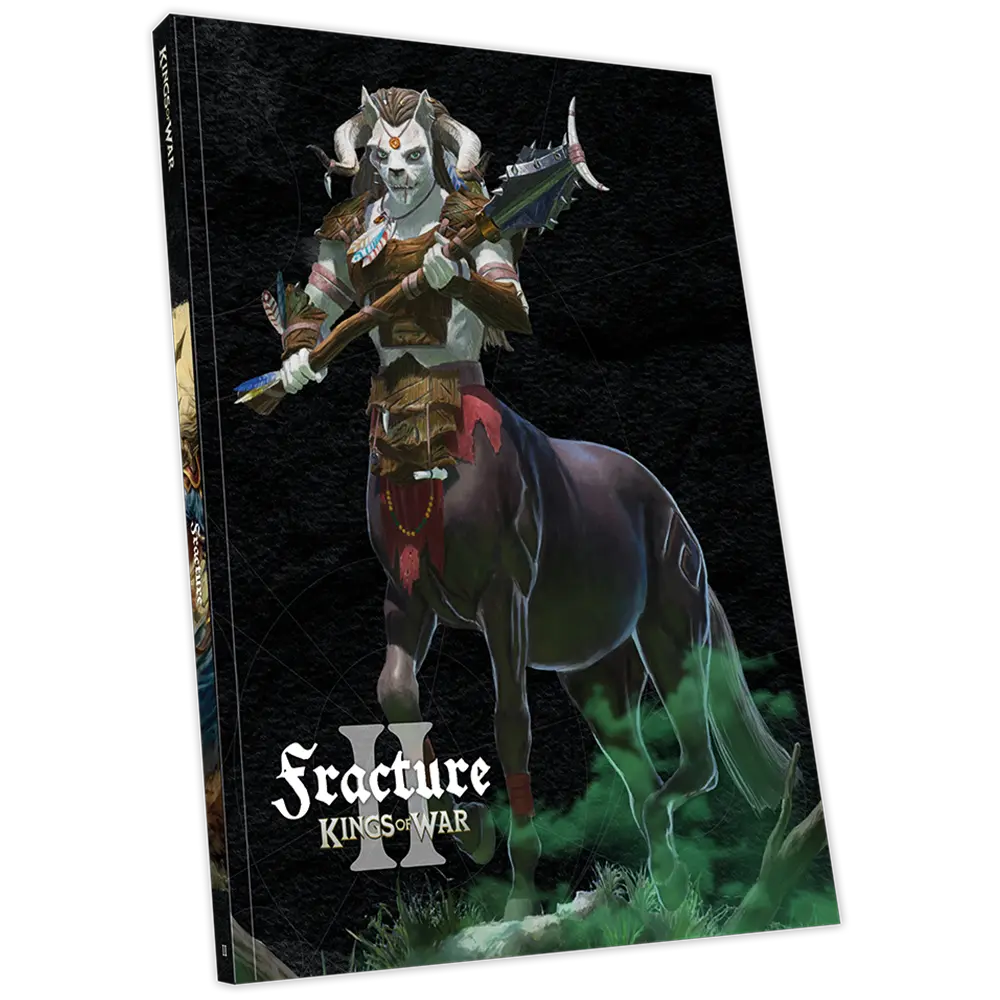
Kings of War: Fracture is out now, bringing the next major chapter of Pannithor to the tabletop.
Inside the book, you’ll find new lore, new stories, new scenarios, universal Command Orders, gameplay updates and four completely new army lists for Basilea, Ogres, Forces of the Abyss and Forces of Nature.
To take a closer look at those new lists, we’ve teamed up with members of the Kings of War Core Playtesting Group for a special series of army-focused articles.
The CPG is a group of volunteers who work closely with the Kings of War design team, helping to develop, test and refine the rules for 4th Edition – especially the army lists, unit rules and gameplay balance. That means they’ve had a close view of how these new Fracture lists came together, what each army is trying to achieve, and what players can be excited to try on the battlefield.
For our first article, we’re looking at Basilea, with insights from Matthias from the Kings of War Core Playtesting Group. You may also know Matthias as one of the hosts of the Mantic Universe Podcast, where he regularly talks all things Kings of War (and other Mantic games too – as we all know, there’s “so much universe, so little time!”).
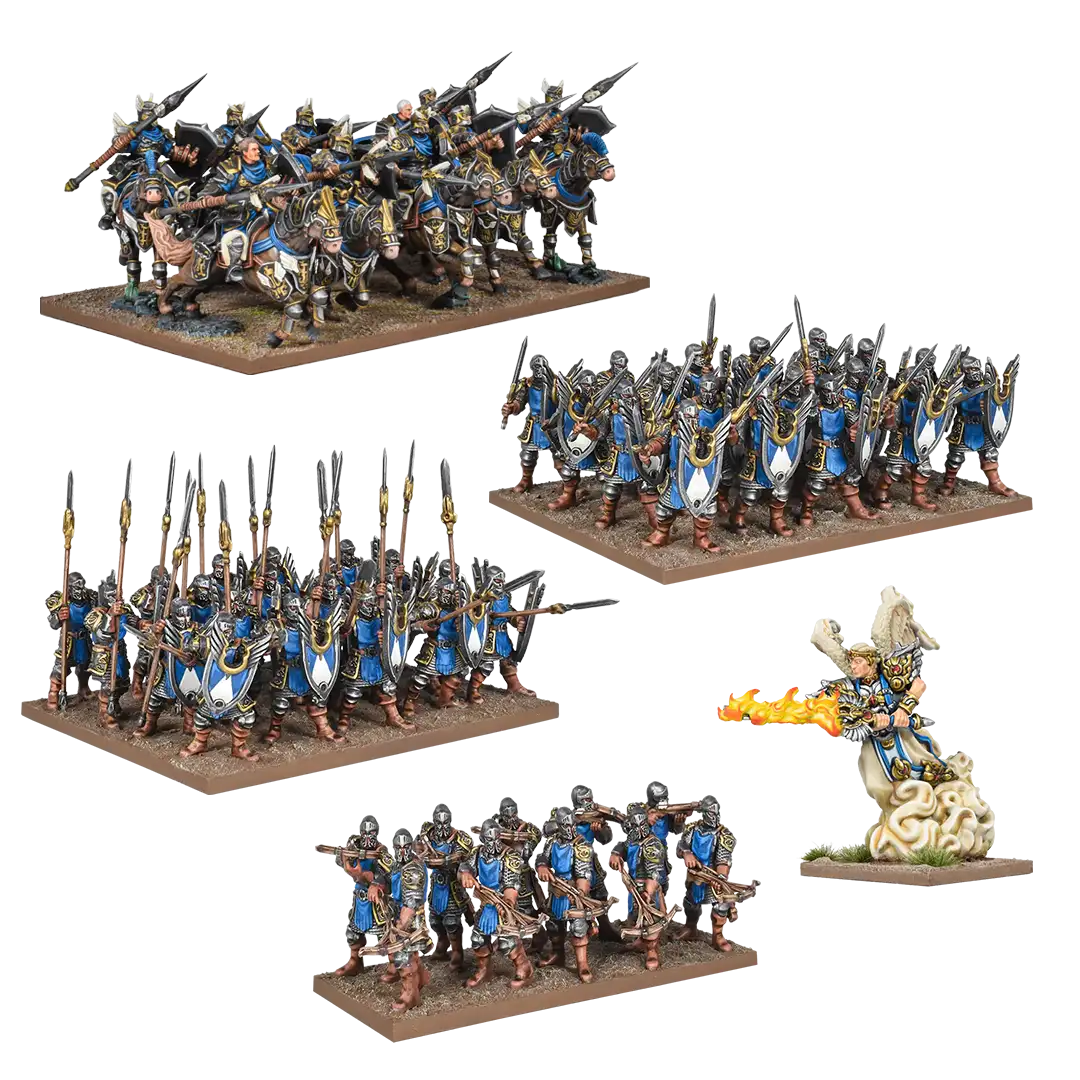
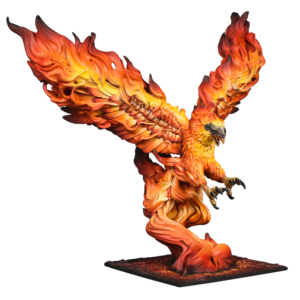
Basilea has always been one of the defining powers of Pannithor: a vast human civilisation guided by faith and conviction. Its armies march to war in shining ranks, with disciplined infantry supported by mighty Paladins, angelic Elohi and fiery Phoenixes.
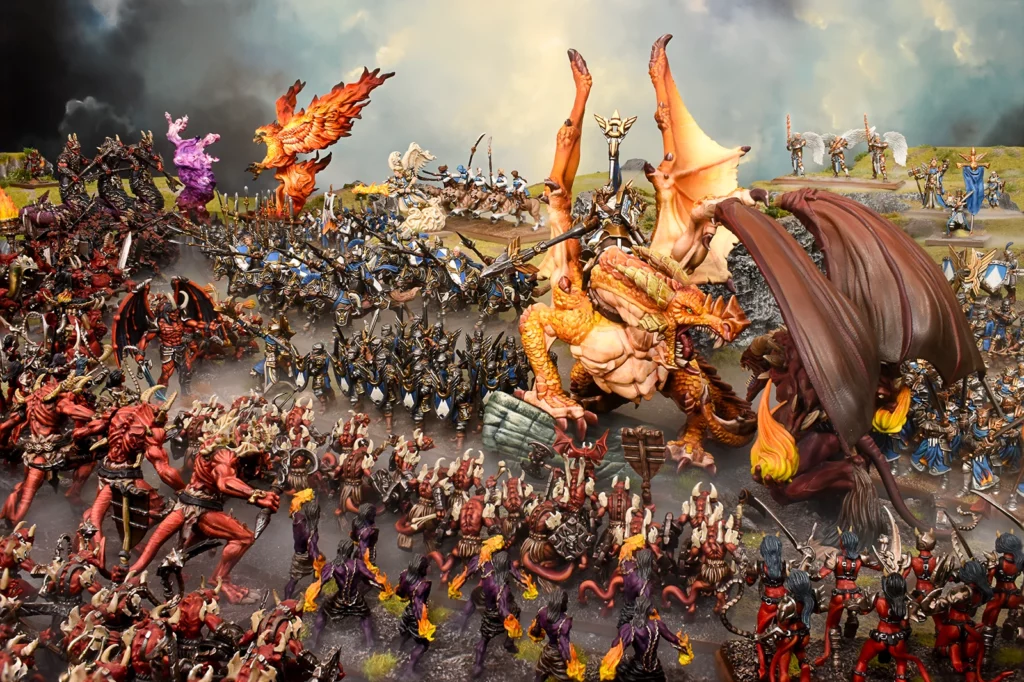
Basilea fights back against the denizens of the Abyss
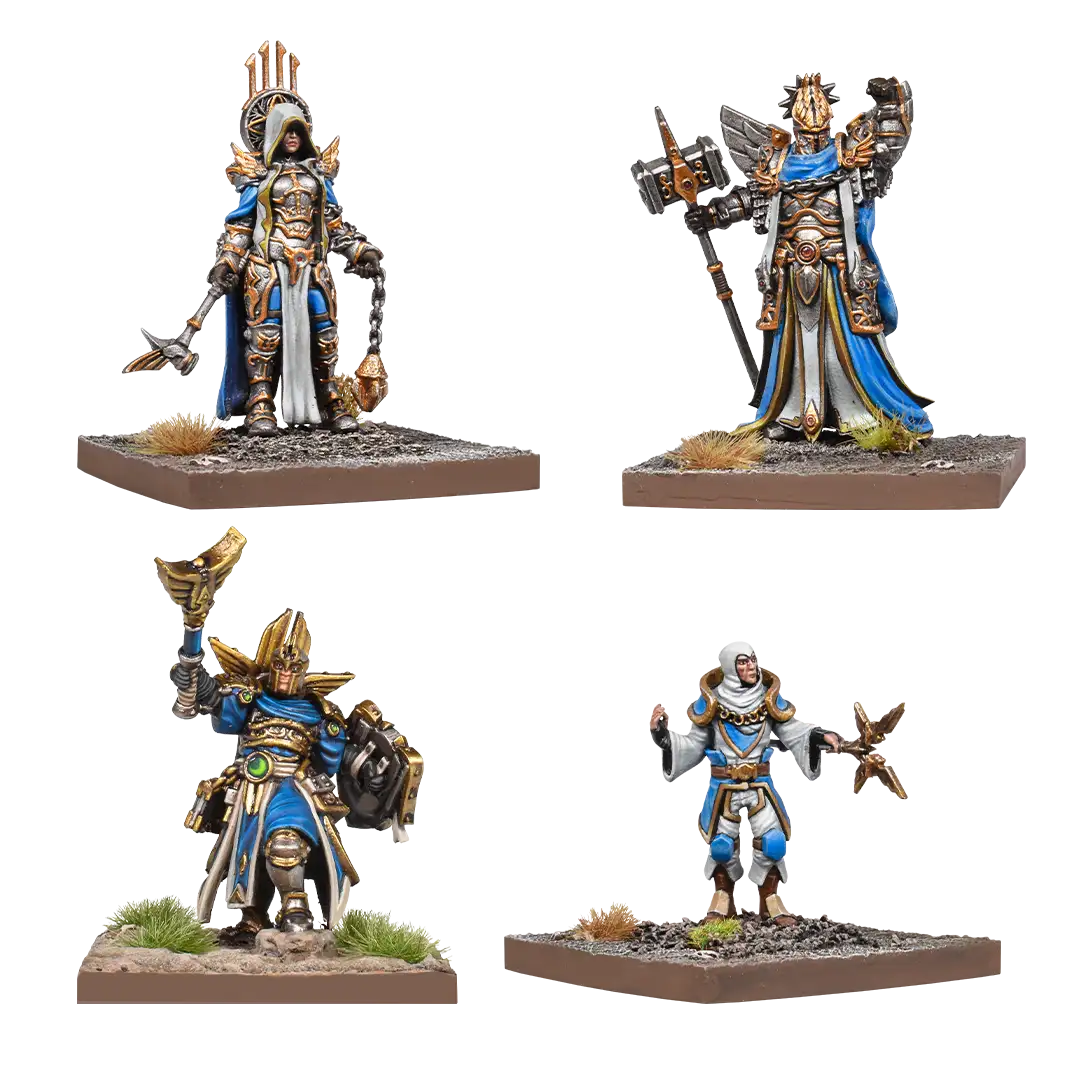
But with the story of Pannithor moving on in Fracture, Basilea is not standing still. The world is changing, the Abyss is stirring, and even within the Hegemony there are competing visions of how best to defend the light. Paladin orders, Sisterhood warriors, common soldiers, religious leaders and divine champions may all fight toward the same goal, but that doesn't mean they always agree on the best path to reach it.
We asked Matthias to talk us through the new Basilean list, and share some insights into what players can look forward to when they take the Hegemony to war in Fracture.
What do you personally like about Basilea, and what do you think defines the army?
Matthias: For me, Basilea are the lawful good humans of Pannithor – or perhaps more lawful than good!
They desire to spread the light of the Shining Ones, who sit upon Mount Kolosu, throughout the world. At the same time, they are defending against the Wicked Ones and their followers, while trying to impose order at almost any cost.
On the tabletop, Basilea has a more defensive playstyle, trying to grind the opponent down and win through resilience and strong positioning. However, the army can also support a more aggressive approach, pushing forward to claim objectives before the opponent can strike back.
What was the team trying to achieve with the Fracture version of the Basilean list?
Matthias: The Core Rulebook list already defined the defensive playstyle of the army well, but we felt there was room to bring back some of the more aggressive options that had been possible in previous editions.
We also wanted to give players more ways to customise the army to their own taste. It was important that players should not feel locked into one “best” style of list. Instead, they should be able to build their Basilea army, choosing the elements that appeal to them most.
One area that needed particular attention was the army’s commanders. We wanted to make the commander choices feel more equal and create tougher decisions for players. Choosing a Warlord should feel like a meaningful part of writing your list, not just an automatic step.
We also wanted to make sure the list fitted the lore, and that players could bring different aspects of Basilea to the table.
Can you share a few highlights from the new list?
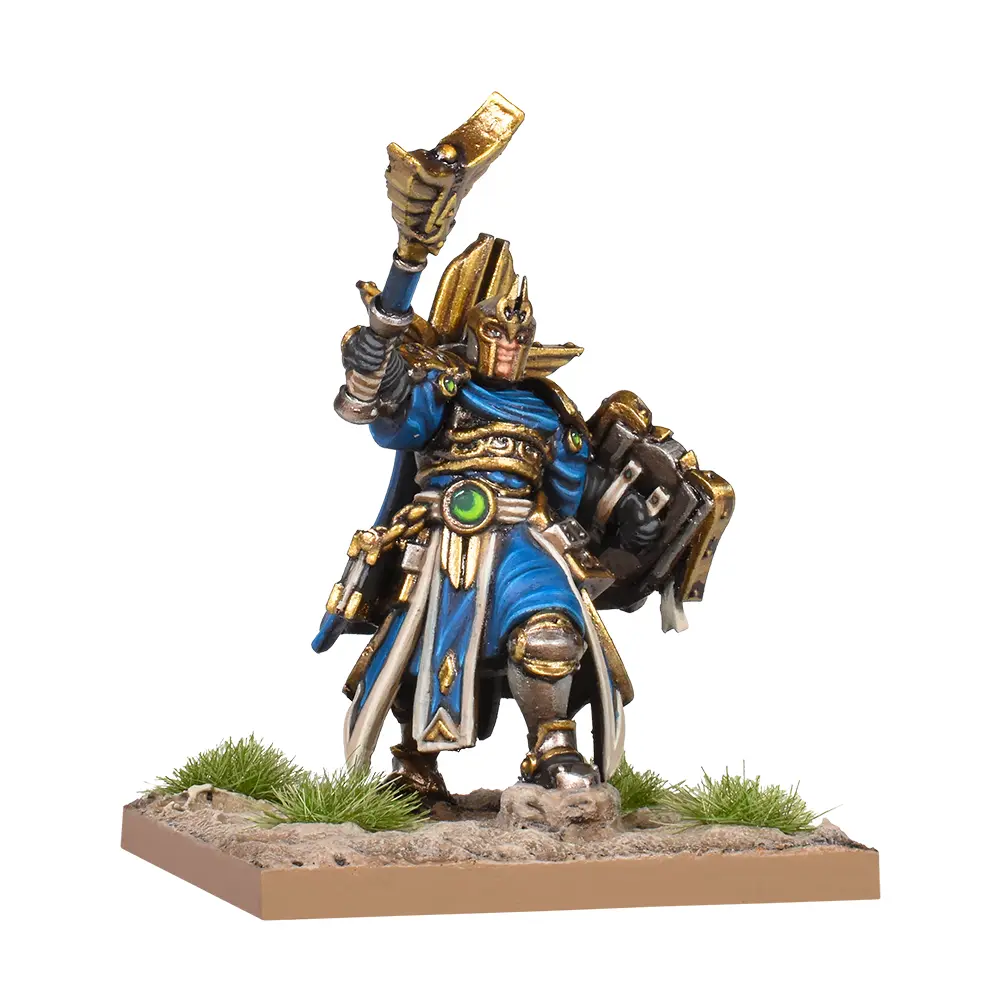
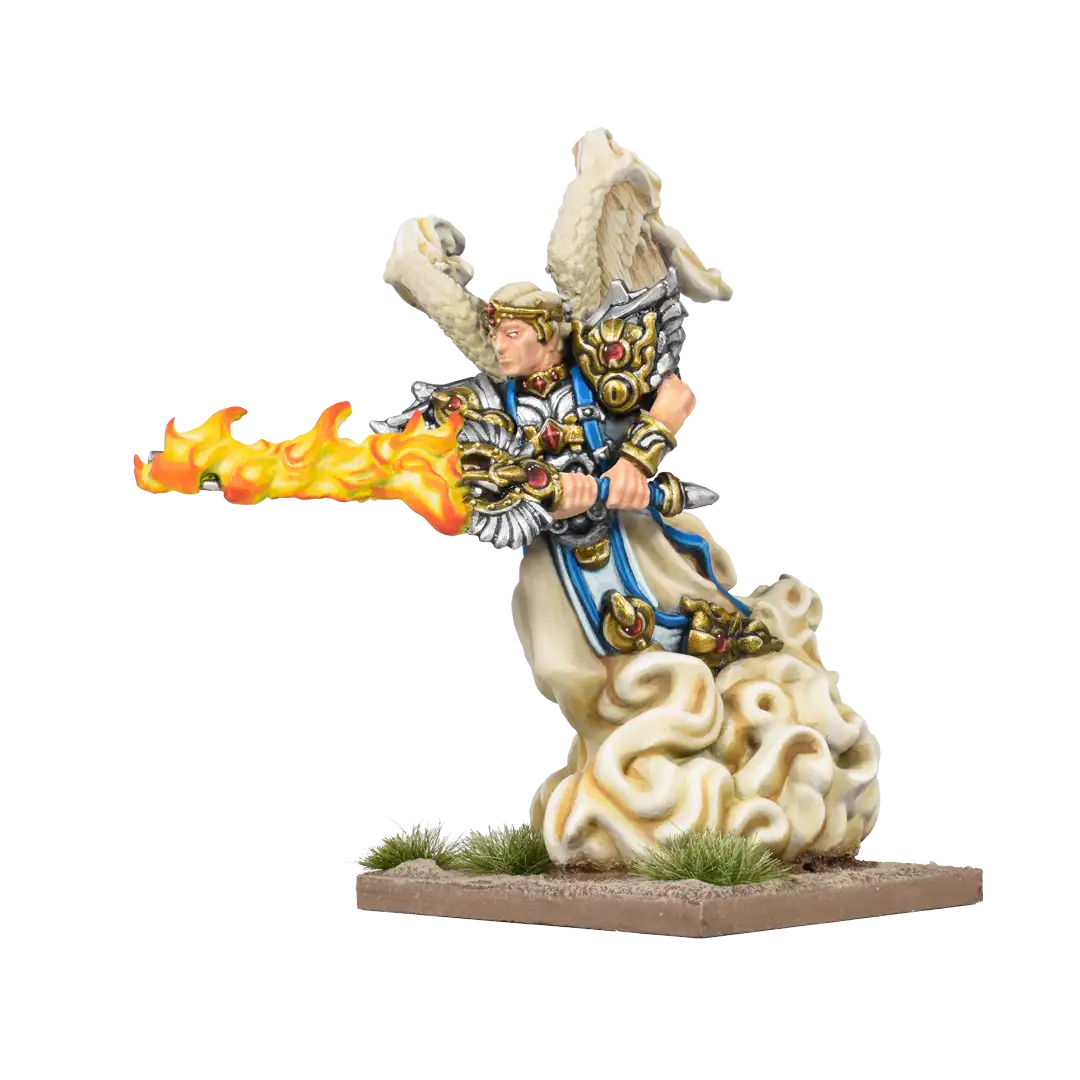
Matthias: One of the most interesting areas is the way the Elohi characters now interact with army building. In the Core Rulebook list, the three Elohi characters all changed Elohi units from Support to Specialist. In the Fracture list, they have more distinct roles.
Jullius can now do this through an optional upgrade, while Samacris unlocks the Ancient Phoenix upgrade. This plays into the healing side of the army, which feels right for the Mother of Phoenixes. The Ur-Elohi, meanwhile, is now a Champion who can move a single unit to Specialist.
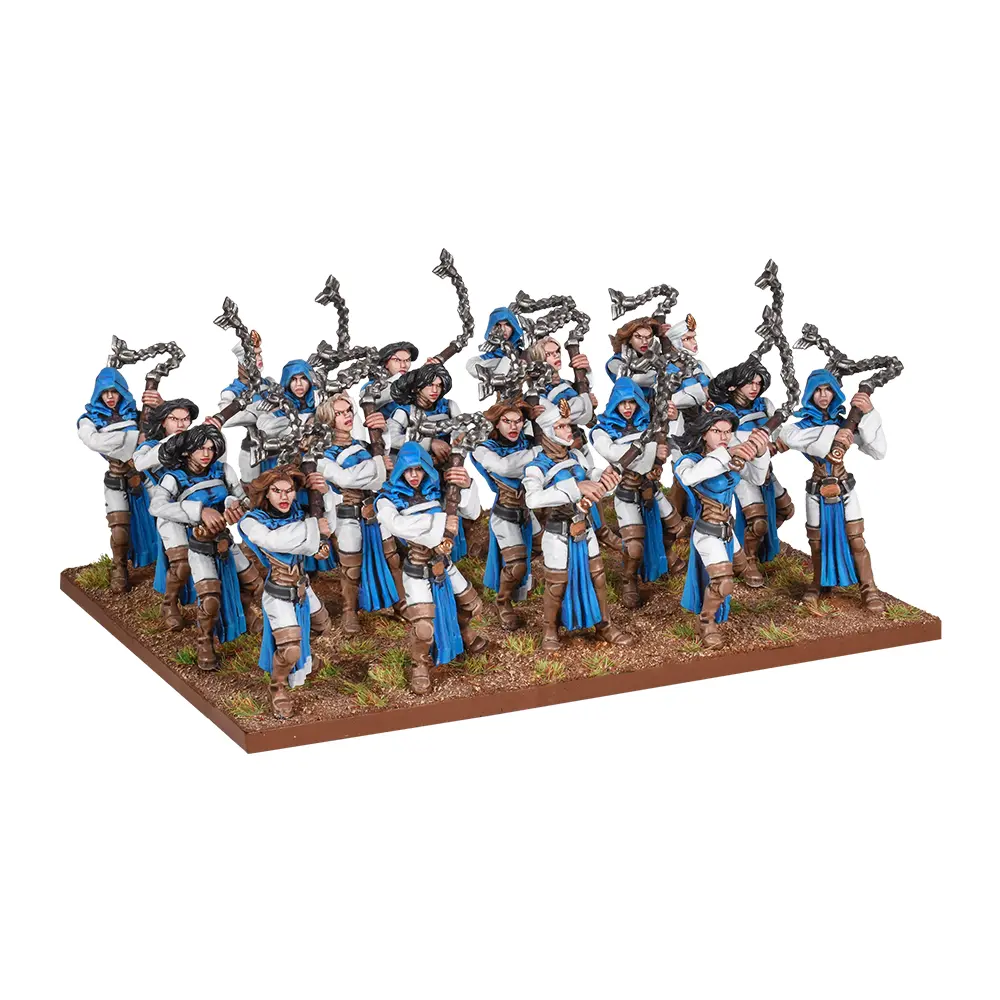
The Abbess is another good example. She is still the cheapest Warlord option, but she now gives Sisterhood units Brutal +1. That means she is not just a low-cost way to access Commands, but a genuinely interesting option for players who want to build a Sisterhood-heavy list.
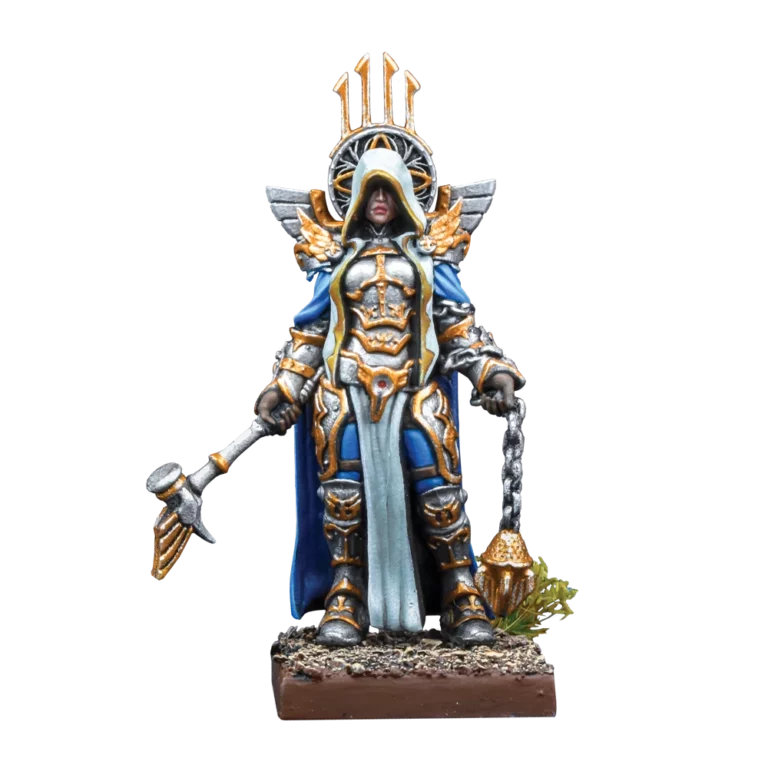
The Abbess now boosts the killing power of the Sisterhood units around her
There are now five Basilean Command Orders, covering both defensive and offensive options. One of my favourites is Borne by Angels, which gives Infantry and Large Infantry some much-needed mobility. More on that shortly!
Finally, players who enjoy Knights should be pleased. There are now two Warlords who can move Knights into Core, which makes army building with them much more interesting.
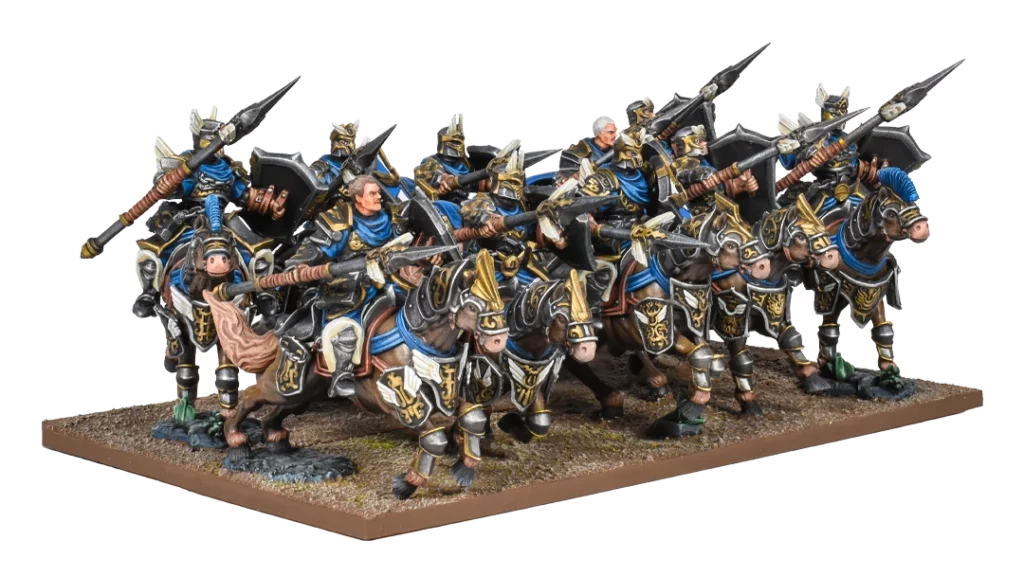
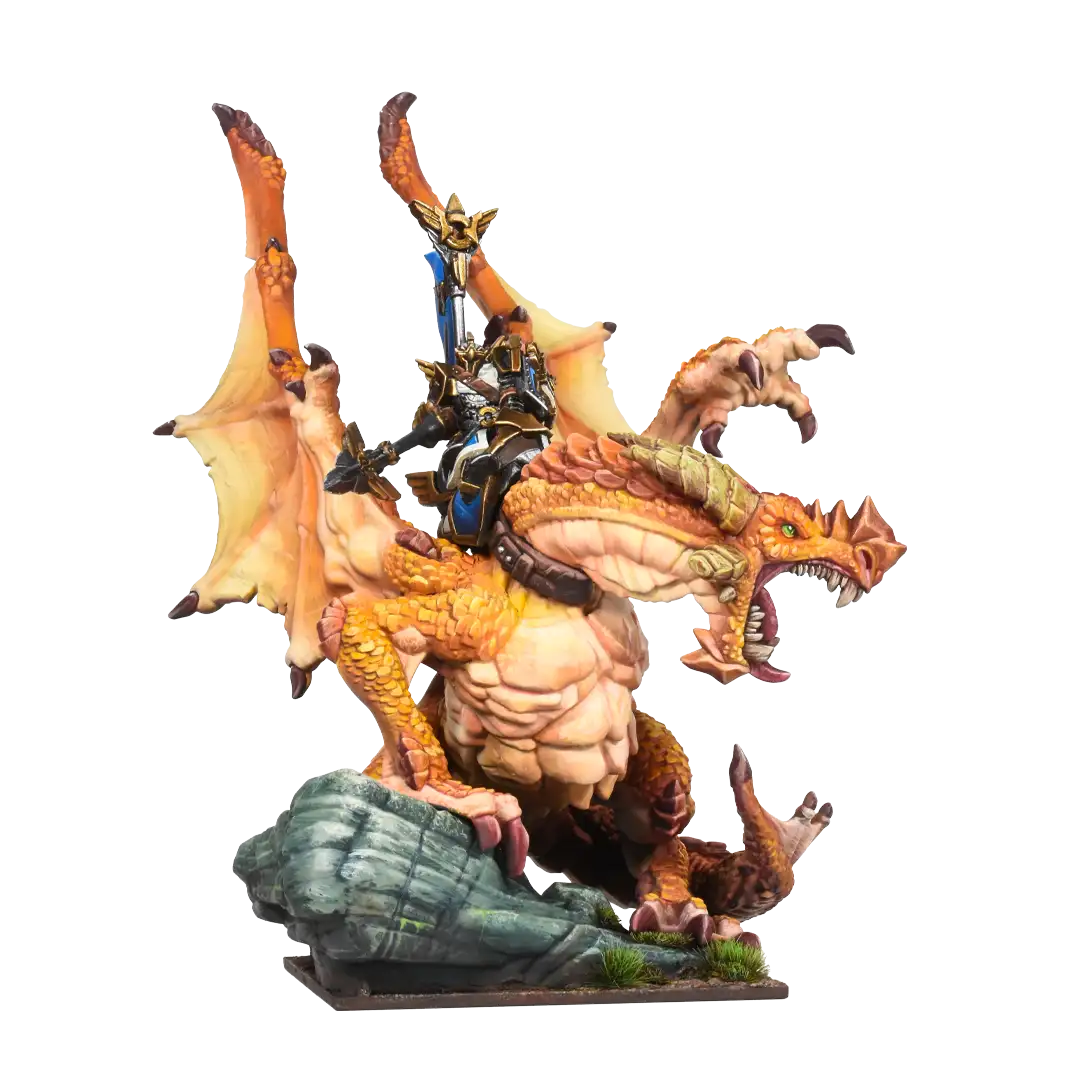
High Paladin Warlords turn Knights into Core choices
Are there any new units or returning favourites players should look out for?
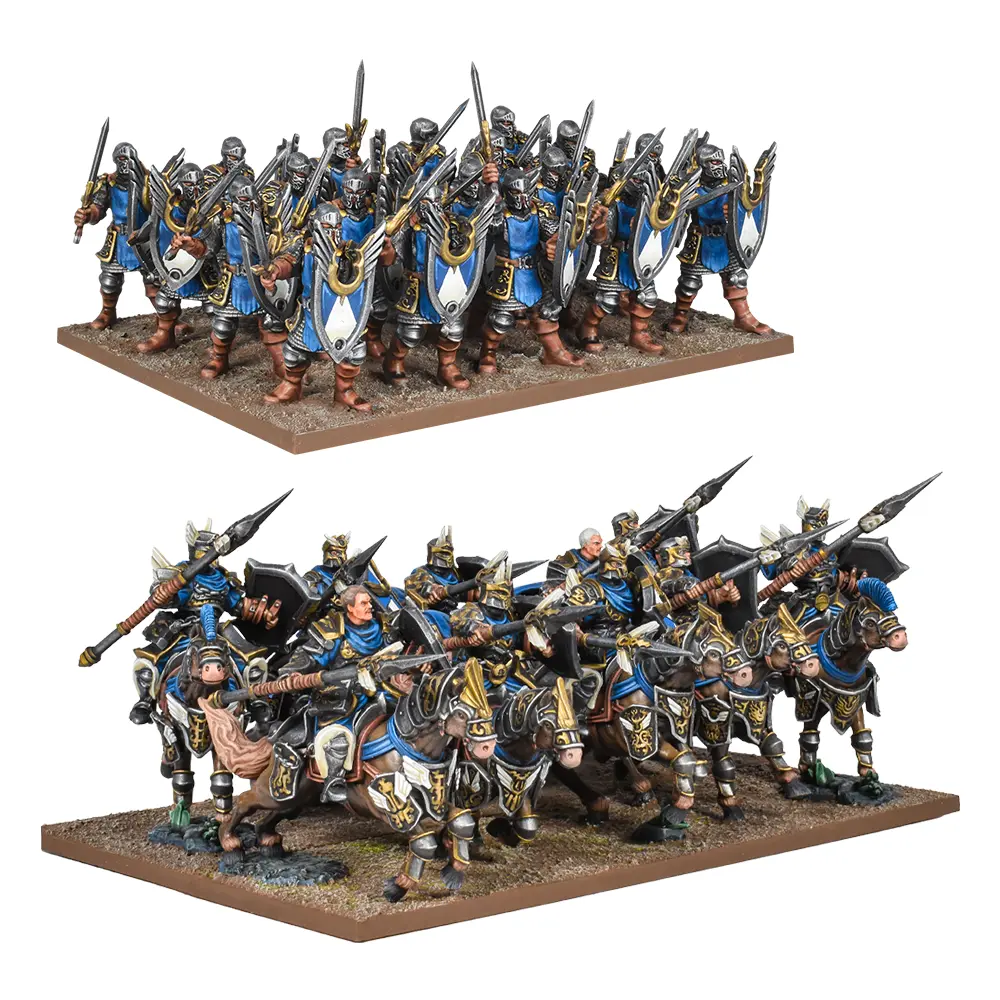
Matthias: Paladins now have two unique horde options: the Order of the Abyssal Hunt (cavalry) and the Paladin Monster Slayers (infantry).
These combine some of the flavour of the previous Slayer-style upgrades for Knights and Foot Knights with a larger unit size, creating new Core and Specialist options.
That gives Paladin and Knight players more tools and some excellent modelling opportunities. They also bring back some of the old Brothermark flavour, which I think former Brothermark players will appreciate.
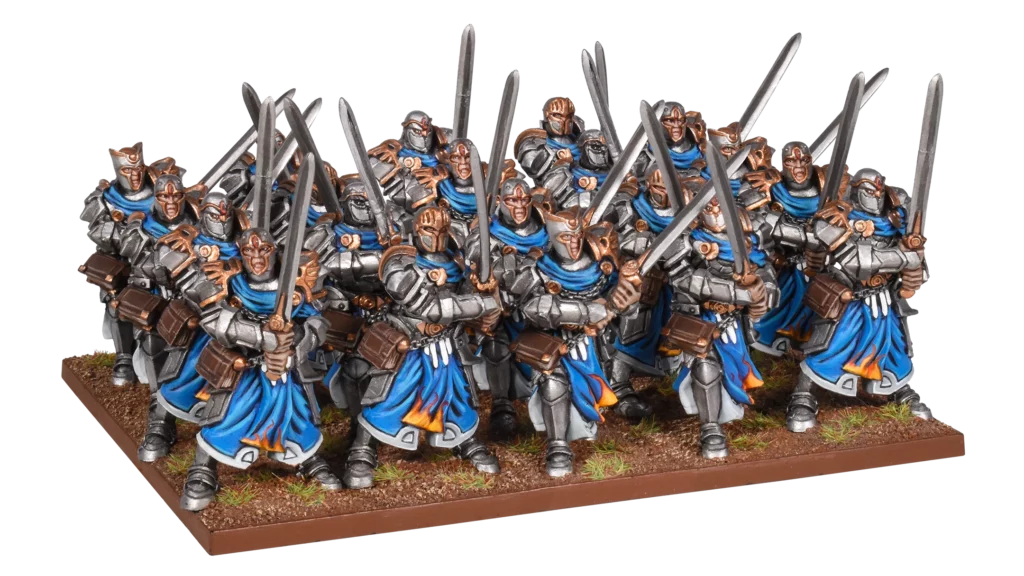
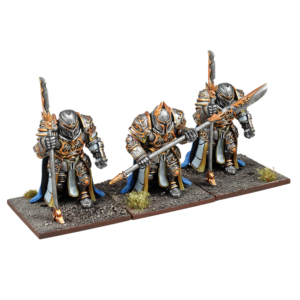
One unit of Paladin Foot Knights can become a horde of Paladin Monster Slayers
Which Command Order best captures the feel of the new list?
Matthias: I want to come back to Borne by Angels.
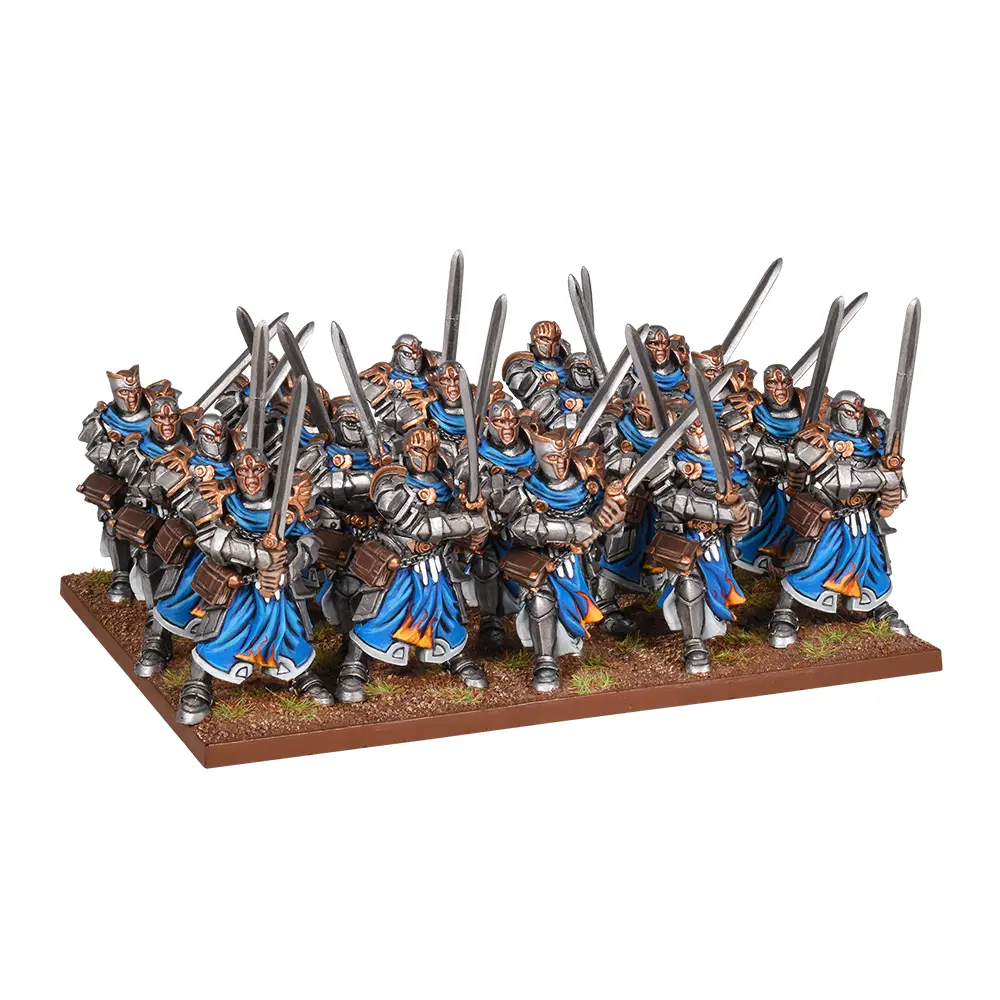
This Command Order allows an Infantry or Large Infantry unit to Fly during an Advance or At the Double order. That makes those units much more flexible, opening up new tactical possibilities at every stage of the game.
Basilea has plenty of slower Infantry options, and Kings of War is a game where movement is incredibly important. This Command Order helps compensate for that without simply turning Basilea into a fast infantry army.
It also connects strongly to the lore. You can imagine Basilean commanders calling upon the Shining Ones and the Elohi for aid, with angelic power carrying soldiers across the battlefield at the moment they are needed most.
Gnaeus also makes a welcome return, with a new resin model and rules that reflect his role as a battlefield leader. His new ability lets you use more Orders, or make them more reliable, depending on how you choose to use it.
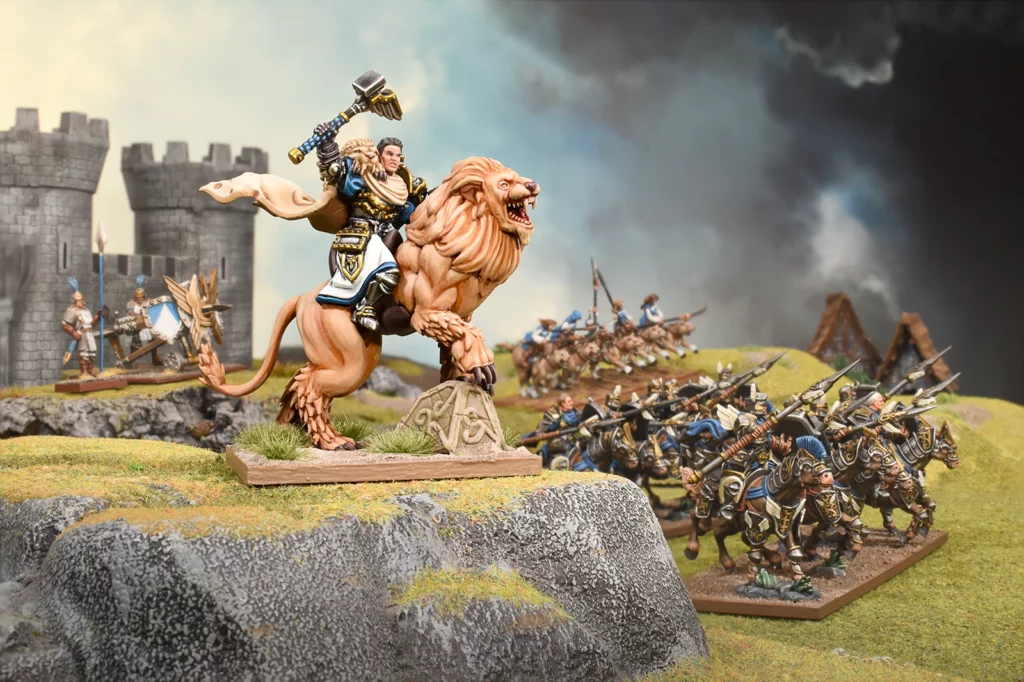
Gnaeus Sallustis leads from the front - and can issue two Command Orders per turn!
How does the Fracture list bring Basilean lore onto the tabletop?
Matthias: Basilea has always been a lore-heavy faction, and this list expands on that by bringing many different strands together.
There is no single huge change that defines everything. Instead, there are lots of small details that add up.
The Mother of Phoenixes unlocking an upgrade for Phoenixes is a good example. The new Sisterhood trait is another, because it rewards players who want to focus on that part of the army. The Command Orders also play strongly into the theme of Basilea, whether that is divine protection, battlefield discipline, angelic intervention or righteous aggression.
The list also includes two characters from the Sacred Ark novel series, giving them rules and models for the tabletop.
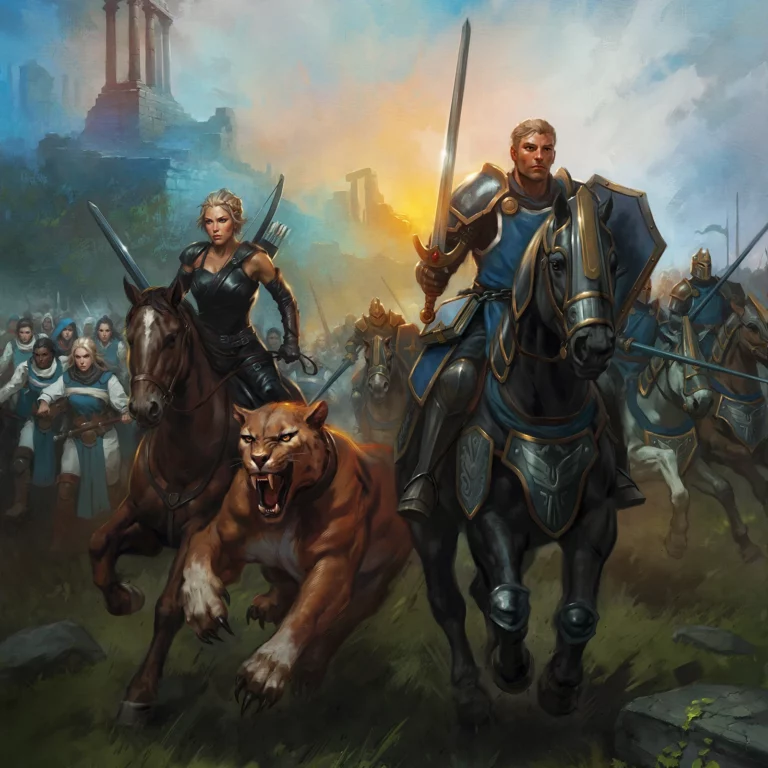
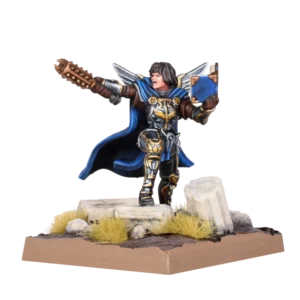
Orion and Aestelle from the Sacred Ark novels are both now in the army list as Champion choices
More broadly, the list gives players lots of tools to represent the part of Basilea they are most interested in. The lore section in Fracture also goes into more detail on the Paladin and Sisterhood orders, which I hope will inspire some players in that direction!
What kind of player will enjoy the new Basilean list?
Matthias: Basilea may not look like the most aggressive army in the game, but it can absolutely move in that direction – manoeuvring around its enemies and striking with precision. At the same time, it is not the most purely defensive army either, but it can certainly take a hit. That makes it a good army for players who enjoy balance and flexibility.
If you want a Paladin army supported by angels, you can build that. If you want multiple ranks of soldiers protected by Ogres, you can build that too. If you want a force focused on Monster Slayers, Knights or Sisterhood units, the new list gives you more ways to explore those themes.
Mixed arms also works well, and the army can create very thematic forces that still function on the battlefield.
Former Brothermark players should also find this list interesting, with enough units and flavour to bring the Order back into the game.
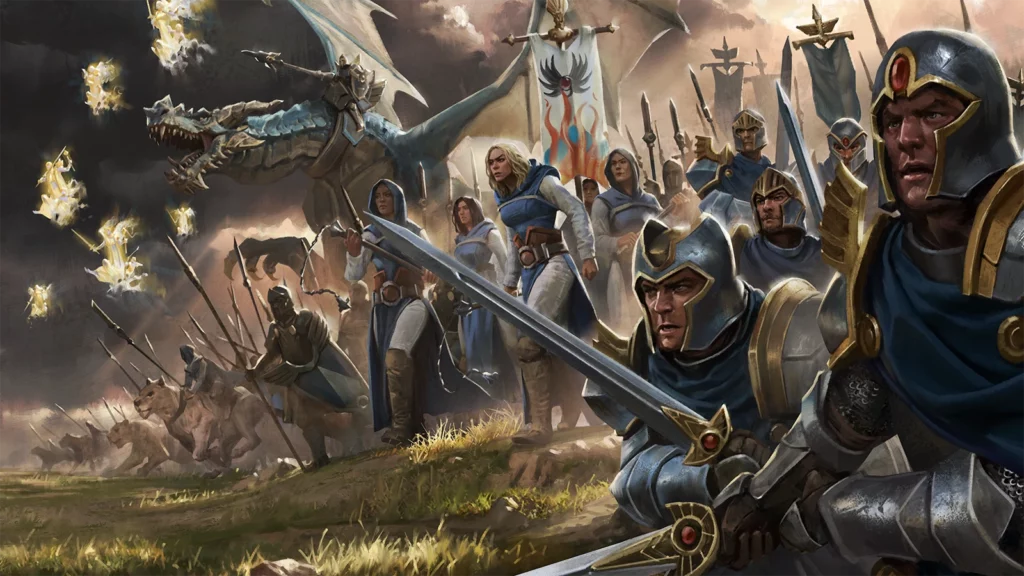
Basilea Marches On
Thanks again to Matthias for sharing his thoughts on the new Basilean army list in Fracture.
Basilea has always combined faith, steel and divine power, but this new list gives players more ways to decide what that means on the tabletop. Whether you want disciplined infantry, holy orders, Paladin-heavy armies, Sisterhood forces, Elohi support or monster-hunting specialists, the Fracture list opens up new ways to build, personalise and play your army.
Kings of War: Fracture is available now in hardback and PDF, with the rules content also available through the Mantic Companion for subscribers.
So what are you waiting for? Grab your copy of Fracture, build your list, and bring the light of Basilea to the battlefields of Pannithor!
Stay tuned for more blogs in this series, coming soon.