Kings of War Community Army Spotlight: Stephan’s Xirkaali (Part Two)
30th Jan 2026
Alex Gordon

"Don't overthink it. Just paint!"
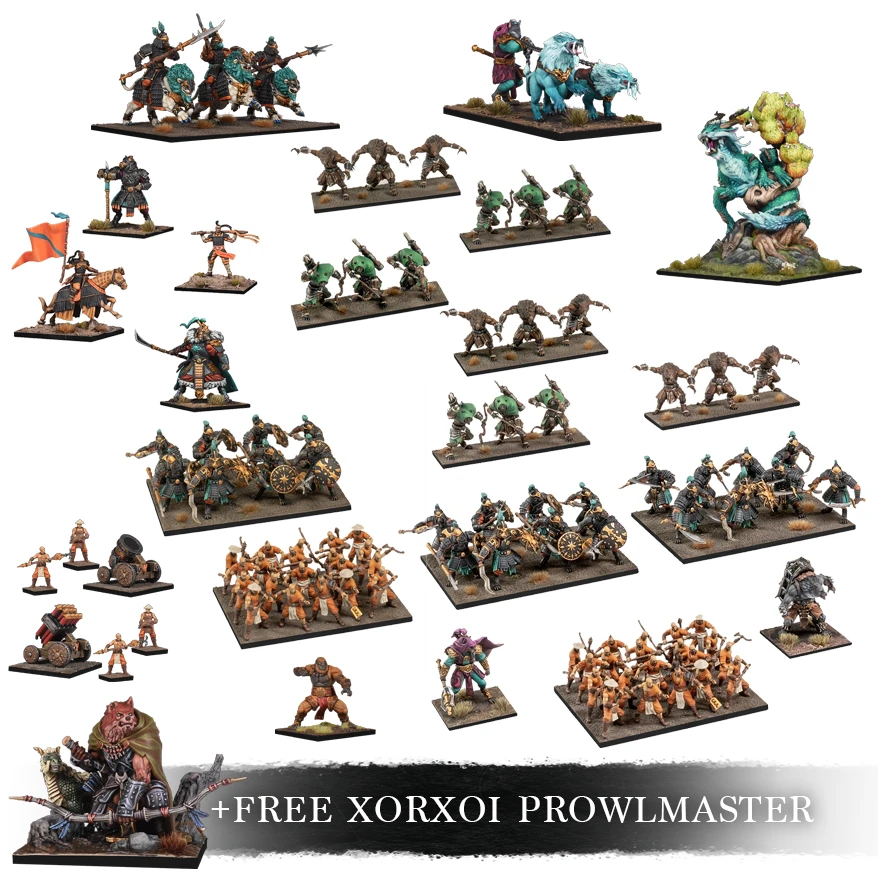
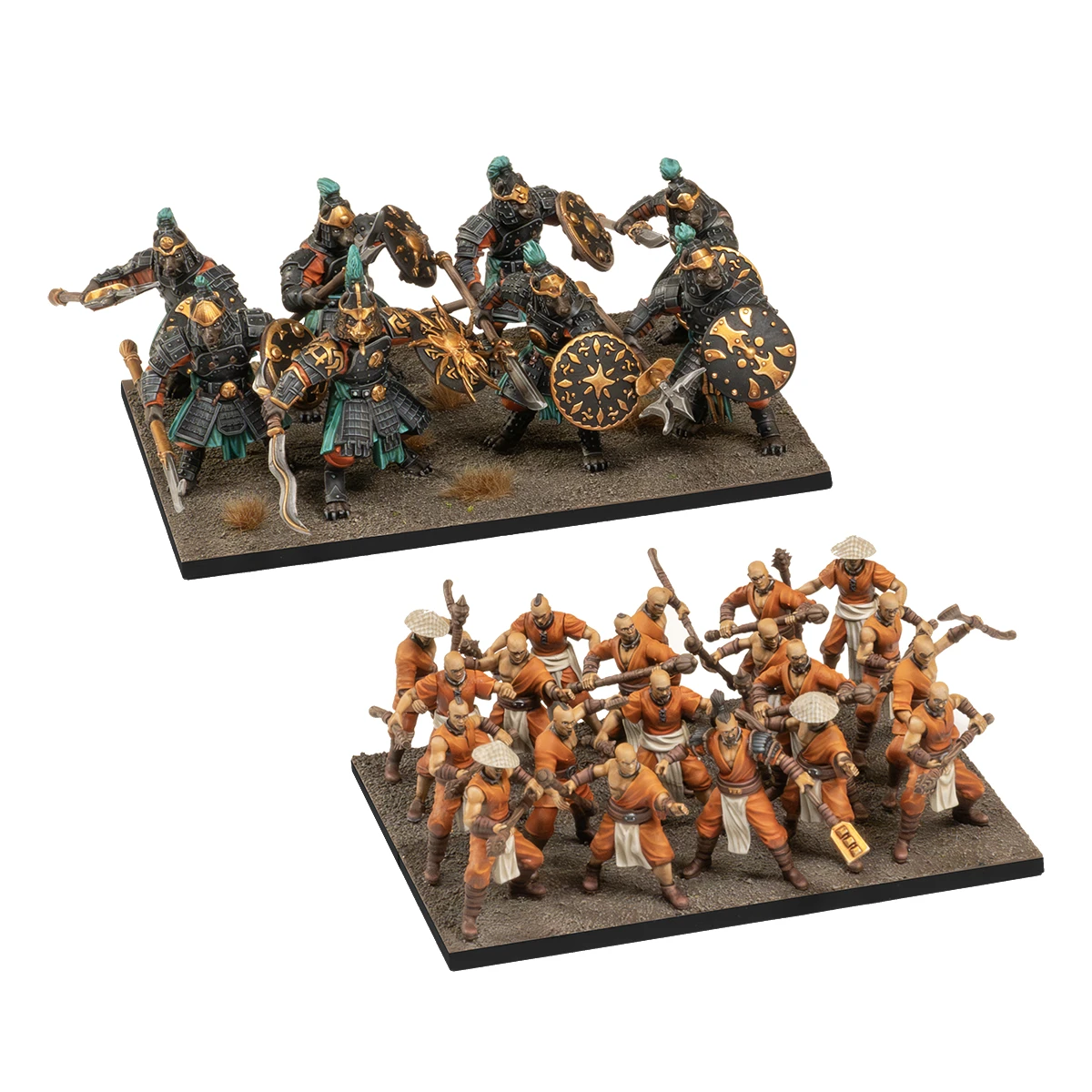
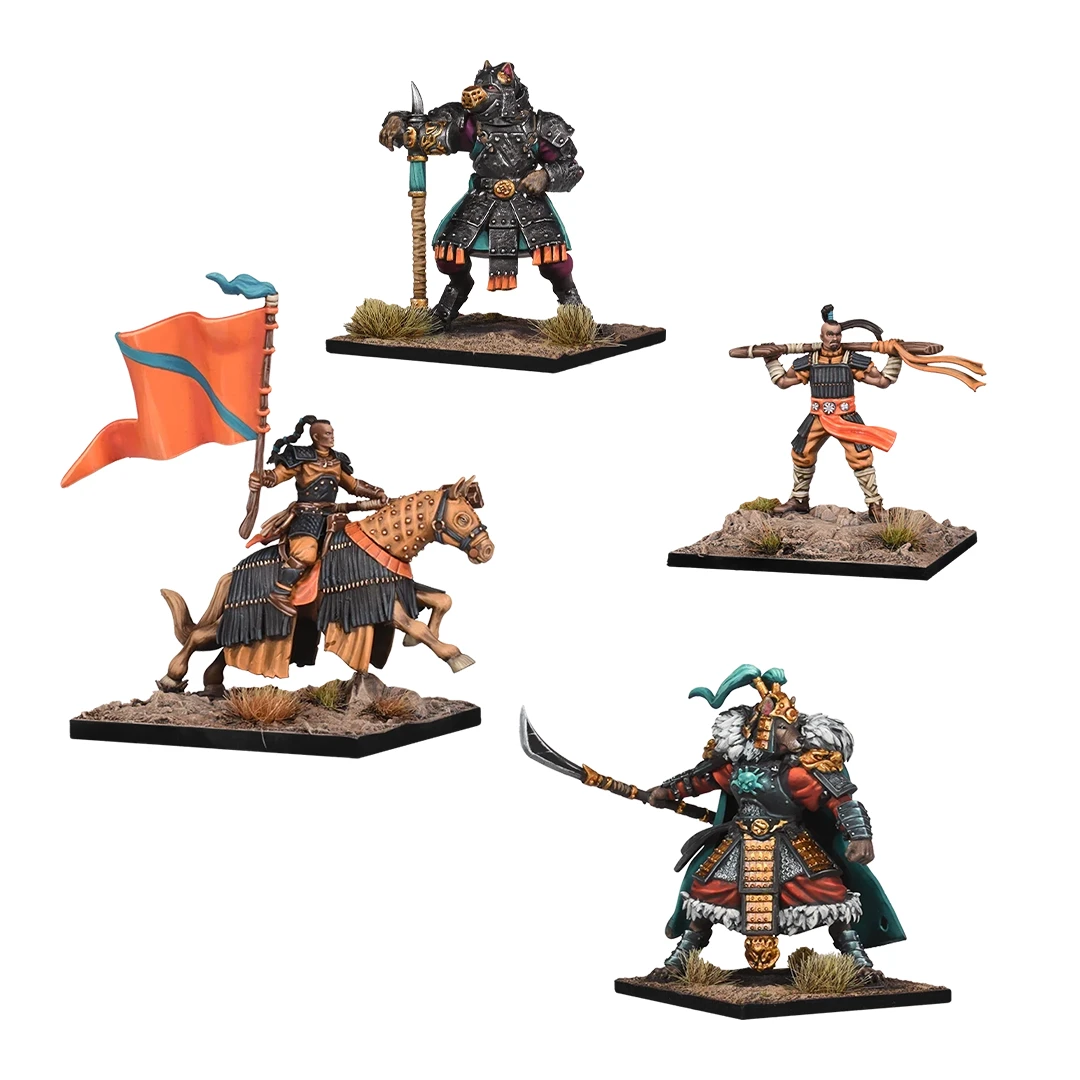
Yesterday we took a first look at community member Stephan’s beautifully-painted Xirkaali army, and got some thoughts from him on why he loves Kings of War, why he chose Xirkaali, and how he landed on the army’s striking colour scheme. If you haven’t already, be sure to check out part one of the blog. Today, we’re back for a further look as Stephan shares some insights into his painting process.
Stephan’s Painting Style: Efficient and Achievable
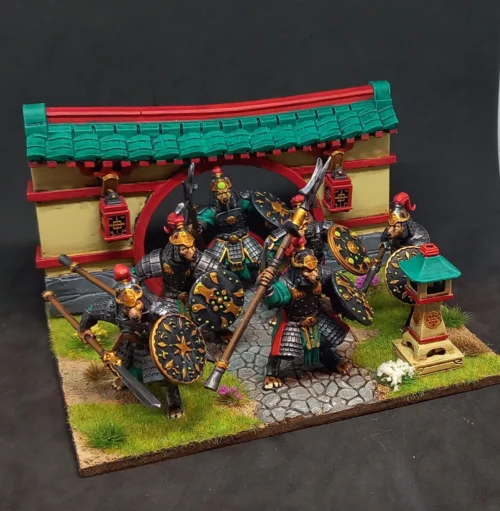
When we asked Stephan to describe his painting style, the first word he used was “efficient”. He likes to plan things out and follow a clear process, avoiding unnecessary steps wherever possible. As for the end result, Stephan describes his work as a “good tabletop standard”.
“I don’t think it’s anything super special,” he explained. “In fact, I think it’s a standard that anyone can achieve.”
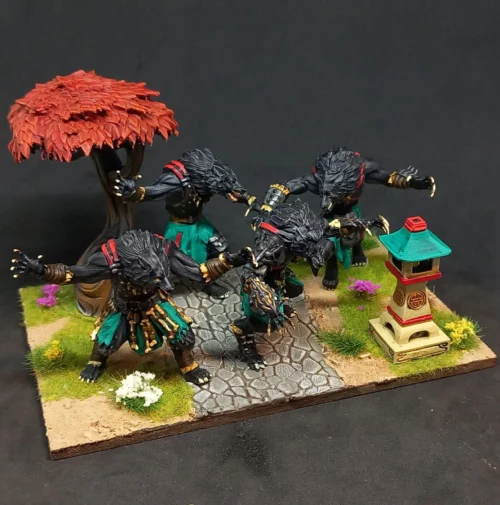
He also stressed the benefits of having a dedicated space for painting, which can be left set up between sessions. “I have two young children, so life is pretty busy,” he said. “It’s great to be able to grab 15–20 minutes whenever I can. Maybe in that time I just paint the belts on a unit. But it all adds up.”
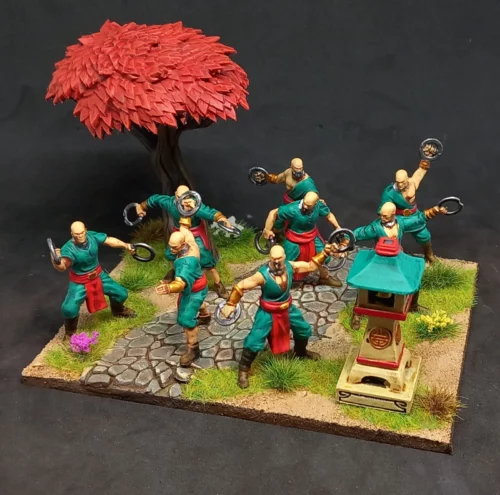
While not everyone has the luxury of a permanent hobby space, it’s certainly something to aspire to. Given that the Xirkaali were only released in December, Stephan’s efficient approach is clearly paying off for him!
Stephan’s Process: Classic Techniques, Simply Applied
Stephan’s process follows a classic layering approach, without relying on advanced techniques. He primes everything black, noting that missed recesses matter far less than they do with a white undercoat.
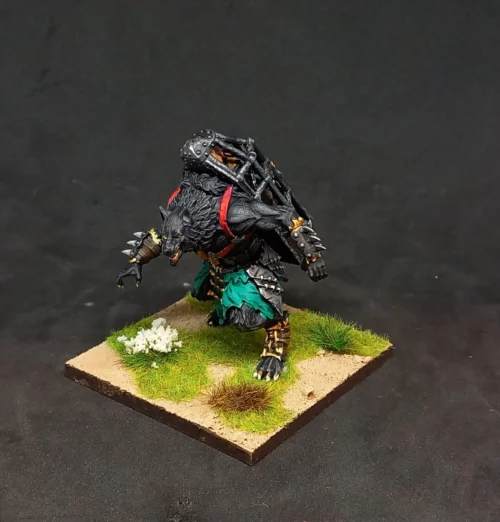
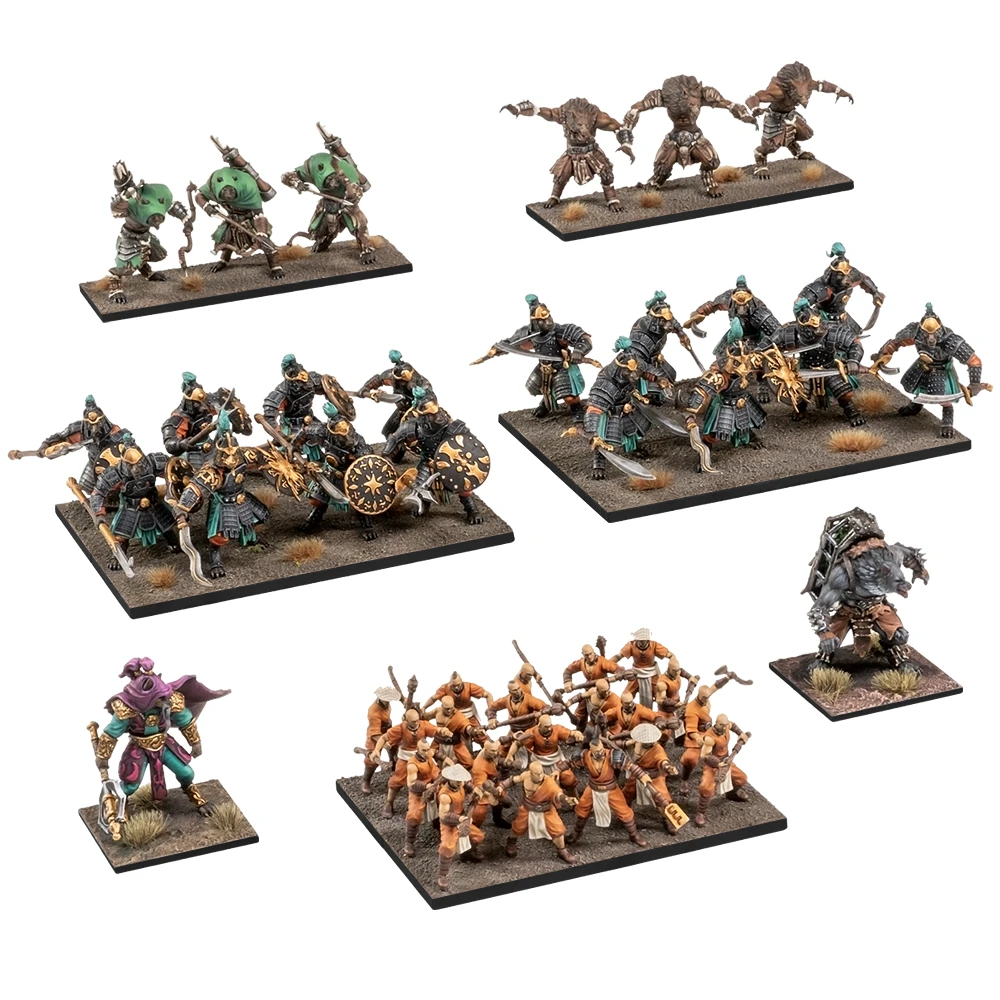
From there, he follows a familiar “base coat, wash, highlight” workflow for most miniatures. Recently, he’s been experimenting with speed-paints at the wash stage. The teal on his Xirkaali is a good example: a teal base colour, followed by a turquoise speed-paint used as a wash, then a highlight on top.
“I’m not really using speed-paints as they’re intended,” Stephan admitted. “I don’t do slapchop or anything like that, but I’ve found them useful in place of traditional washes.”
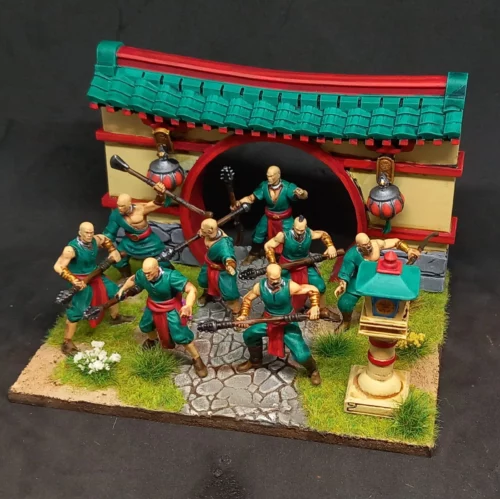
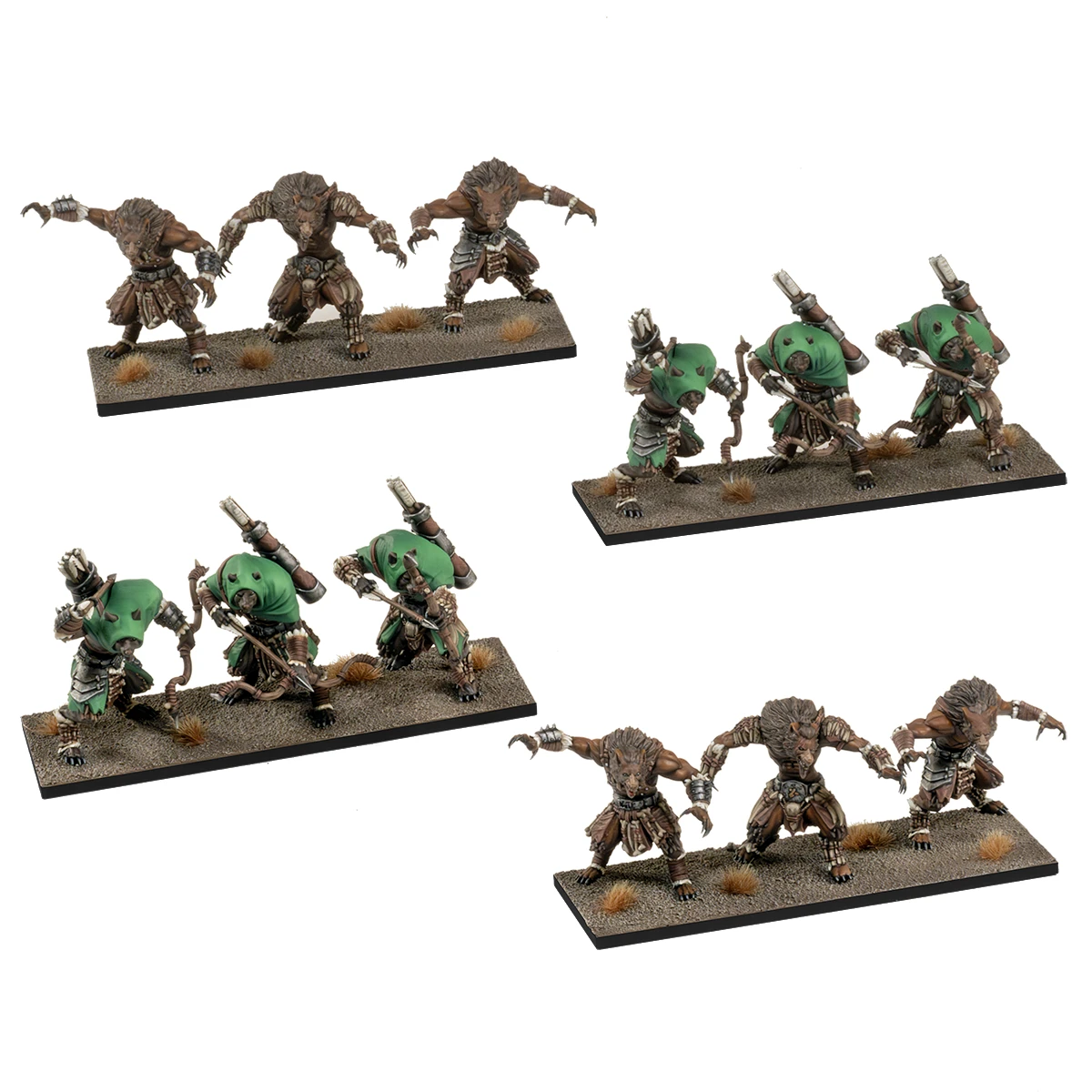
When highlighting, efficiency is again the priority. “Drybrushing doesn’t work on everything,” he said, “but whenever it does, I’ll use it.”
Painting for Multi-Basing
Given that multi-basing is one of Stephan’s favourite aspects of Kings of War, we asked how he approaches painting with that in mind. His solution is simple: each miniature is glued to a temporary base for painting, then removed and arranged on the unit base once finished.
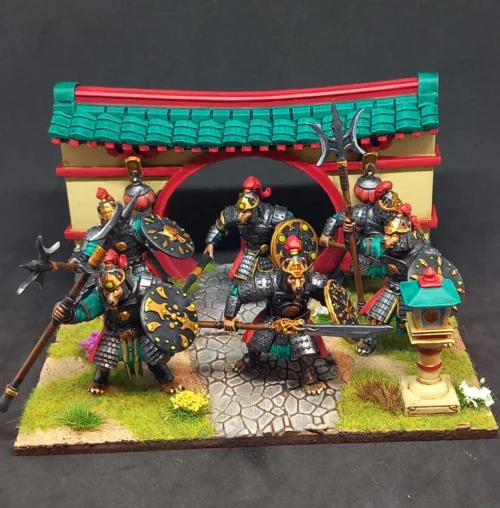
“I only use a little glue, usually under one foot,” he explained. “You don’t want it to be difficult to remove.”
Tips for Newer Painters
When asked for advice for newer painters, Stephan didn’t hesitate: “Don’t overthink it. Just paint!”
One of the reasons he’s able to finish whole armies is that, while he plans ahead, he avoids agonising over colour choices or complex techniques. “I have a friend who gets stuck in analysis paralysis,” he laughed. “He’ll tie himself in knots thinking about gradients and wet blending, and I’m like, ‘Just paint them green!’”
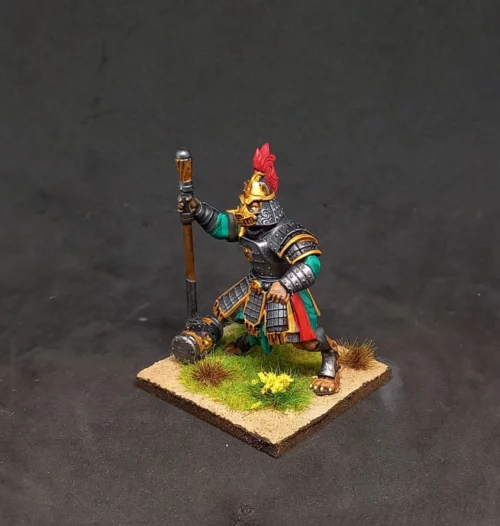
He also recommends making things as easy as possible for yourself, especially when you're starting out. For example, avoid mixing paints if you can. “If you create a custom highlight mix, you have to keep recreating it throughout the army. Fixed colours are much more efficient.”
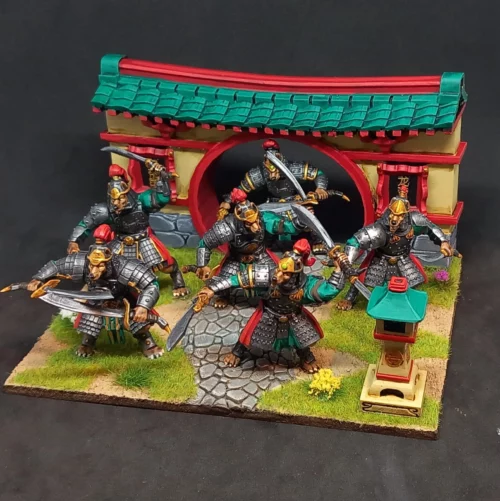
Starting with “quick and dirty” stages is another key tip. For example, the Xirkaali Warriors wear a lot of armour, so Stephan tackled that first. “Chainmail colour, black wash, then a lighter drybrush,” he explained. “At that point, most of the miniature is done. Then you move on to the details.”
Staying Motivated to Finish an Army
Even with an efficient approach, painting an army is still a long-term project. For Stephan, motivation tends to dip around the three-quarter mark.
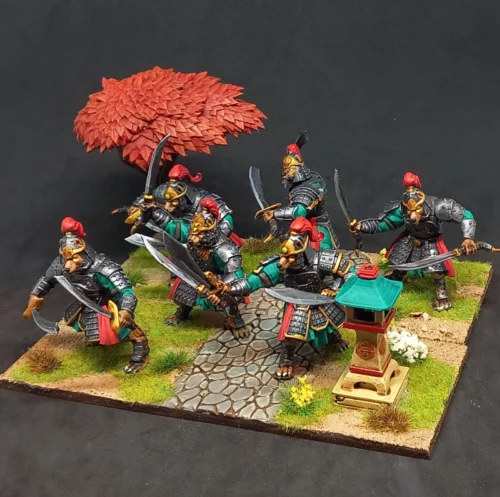
“That’s when the grind starts,” he admitted. “But the thought of finishing keeps me going. I love getting armies finished. And once it’s done, I’m already thinking about what’s next.”
Upcoming Projects
So what’s next for Stephan? With his Xirkaali army mostly complete for now, he’s already preparing a large Salamanders army. As a 3D-printing enthusiast, he’s excited to work on Mantic’s first all-digital Kings of War army as part of the upcoming slow grow challenge.
Knowing Stephan, though, the “slow” part might not really apply. “I’ll probably have them done by the end of February,” he laughed.
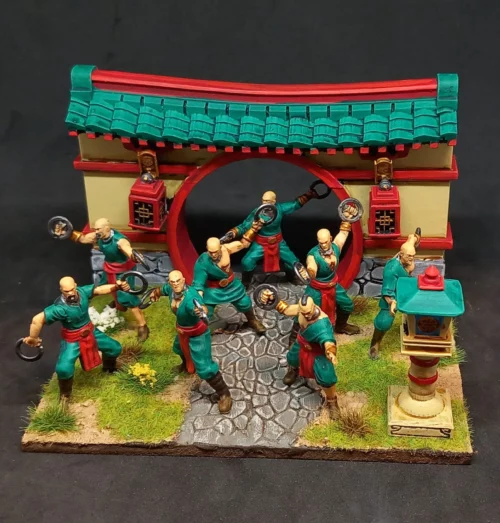
If you’d like to see more of Stephan’s work, he regularly shares photos on Facebook under the name 'Alfred Eisenmann', posting in Kings of War Fanatics and some of the faction-specific groups.
So there you have it! Mantic would like to say a big "thank you" to Stephan, for allowing us to feature his army and for taking the time to be interviewed. And thank YOU for reading - we'd love to hear if you've enjoyed this army showcase, and if you'd like to read similar articles in the future. Plus, if you know someone who's curious about Kings of War, be sure to share it with them!